Why Do We Get Sleep Paralysis? The Neuroscience of REM Atonia
Understand the terrifying phenomenon of Sleep Paralysis. Learn how the brainstem violently severs voluntary muscle control during REM sleep to protect you from your own dreams.
Executive Summary
Understand the terrifying phenomenon of Sleep Paralysis. Learn how the brainstem violently severs voluntary muscle control during REM sleep to protect you from your own dreams.
Imagine waking up in the dead of night. Your eyes dart around the dark bedroom, fully capable of seeing the closet door and the window. Your brain is entirely conscious and awake.
But as you try to turn your head or lift your arm, a wave of sheer, unadulterated terror washes over you. You are completely, utterly paralyzed. You cannot move a single muscle, and despite screaming internally, your vocal cords refuse to fire. You are trapped inside your own body.
This horrific experience has inspired centuries of folklore—from the “Old Hag” sitting on a sleeper’s chest to modern alien abduction theories. However, there is nothing supernatural about it. You are experiencing a perfectly natural, highly engineered biological safety mechanism that simply glitched during the waking process.
This mechanism is called REM Atonia.
The Biological Straitjacket
When you transition out of Deep Sleep and ascend into Rapid Eye Movement (REM) sleep, your brain undergoes a staggering transformation.
During NREM sleep, your brain waves are calm, slow, and restorative. But the absolute instant you cross the threshold into REM sleep, your neocortex ignites. Your brain waves explode into rapid, chaotic frequencies that look almost entirely identical to a fully awake, highly alert state.
This is because your brain is currently projecting and running high-fidelity, high-intensity virtual reality simulations. You are dreaming. You might be sprinting away from a threat, throwing a punch, or jumping off a cliff.
Because the motor cortex in your brain is literally firing the electrical commands to “RUN” or “PUNCH,” you would physically leap out of bed and violently hurl yourself into the bedroom wall if nothing stopped the signal.
To protect you from your own mind, the base of your brain (the Pons, located in the brainstem) triggers the Paralysis Protocol. It blasts a powerful, inhibitory neurotransmitter payload (GABA and Glycine) straight down your spinal cord.
This chemical blast instantly and completely severs all voluntary skeletal muscle control. From the neck down, you become a totally paralyzed entity. Your heart still beats (autonomic), and your diaphragm still pulls mostly shallow breaths (autonomic), but you completely lose the ability to consciously move your arms, legs, or torso.
This absolute biological straitjacket is REM Atonia.
The Glitch: Waking Up Paralyzed
In a seamlessly operating brain, REM Atonia is perfectly synchronized with your dream states. When the REM phase ends and you transition back to light sleep or wakefulness, the brainstem instantly lifts the chemical blockade, returning full motor control to your spine before you ever open your eyes.
However, if your sleep architecture is severely fragmented—due to extreme stress, massive sleep deprivation, or wild jet lag interruptions—the synchronization can catastrophically glitch.
Your conscious brain (the neocortex) wakes up, boots online, and opens your eyes, but the brainstem remains entirely convinced you are still in REM sleep. The brainstem refuses to lift the chemical blockade on your spine.
You are awake, but your body is still enduring REM Atonia. This is Sleep Paralysis.
Compounding the terror, because your brainstem still believes you are in REM sleep, the brain often continues actively projecting dream imagery (hallucinations) directly into your waking visual field. This is why people experiencing sleep paralysis frequently report seeing shadowy figures or demons standing in the corner of their bedroom while they lay there completely immobilized.
Escaping the Grip
Because sleep paralysis is fundamentally driven by poor sleep hygiene and intense architectural fragmentation, the permanent solution is an aggressively strict nightly routine:
- Total Cycle Preservation: Sleep paralysis overwhelmingly occurs in individuals carrying a massive sleep debt. By paying down the debt and maintaining a rigid, unwavering 8-hour sleep schedule, you allow the brain to naturally sync its chemical switches without misfiring.
- Abolish Nocturnal Disruptions: Because the glitch occurs during the transition out of REM sleep, you must remove external factors that violently shock the brain awake during a dream cycle, such as loud environmental noises or highly erratic living temperatures.
- The Micro-Movement Hack: If you ever find yourself actively trapped in sleep paralysis, attempting to violently thrash or scream will only spike adrenaline and deepen the terror. The biological hack is to focus 100% of your mental willpower on moving a single distal nerve—like wiggling your pinky toe or slightly twitching the tip of your finger. Sending this tiny, concentrated motor signal is often enough to instantly break the chemical lock on the spine and pull the brain entirely out of the REM state.
Deepen Your Rest Architecture.
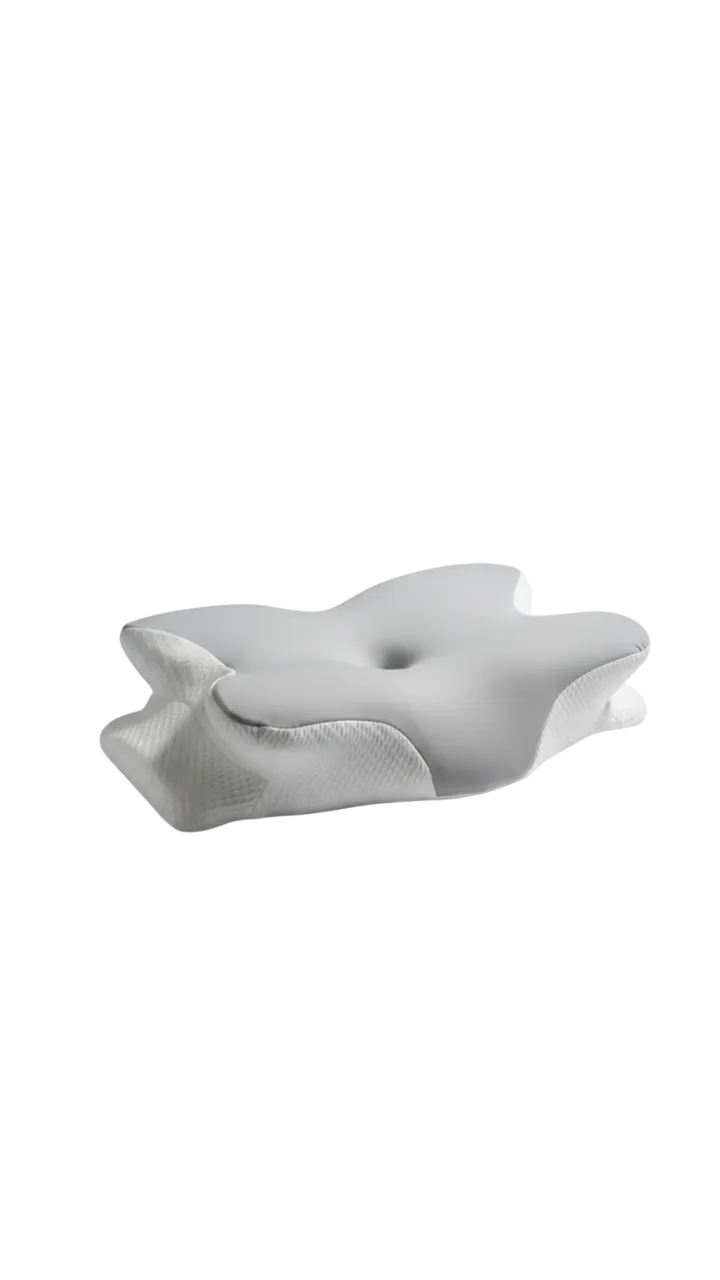
The Lunari Butterfly Pillow naturally supports proper cervical alignment, unlocking deeper, uninterrupted sleep cycles.