How Sleep Builds Muscle: Deep Sleep and Human Growth Hormone (HGH)
Why you do not build muscle in the gym. Understand the exact endocrinology of Stage 3 Slow-Wave Sleep, where 70% of your daily Human Growth Hormone (HGH) is released.
Executive Summary
Why you do not build muscle in the gym. Understand the exact endocrinology of Stage 3 Slow-Wave Sleep, where 70% of your daily Human Growth Hormone (HGH) is released.
The most pervasive, destructive myth in the fitness and high-performance industry is the belief that you build muscle in the gym.
You do not build a single ounce of muscle while lifting weights, running sprints, or executing athletic drills. Training is exclusively a catabolic activity—an act of controlled, biological trauma. You are intentionally tearing muscle fibers, creating micro-fissures, and violently depleting your cellular energy reserves (glycogen).
You only become stronger, faster, and more heavily muscled when the body repairs that trauma. And that repair process is almost entirely restricted to one highly specific biological window: Stage 3 Slow-Wave (Deep) Sleep.
1. The Anabolic Threshold (HGH Release)
If you want to understand muscle hypertrophy (growth), you must understand the Pituitary Gland.
Located at the base of the brain, this pea-sized gland is the master manufacturer of Human Growth Hormone (HGH). HGH is the ultimate biological architect. It commands the liver to release insulin-like growth factor (IGF-1), which directly forces the body to uptake amino acids from the bloodstream and synthesize them into new, stronger muscle tissue.
Here is the critical performance metric: Up to 70% of the daily, total volume of Human Growth Hormone your body will produce is released in massive, concentrated pulses exclusively during Stage 3 Deep Sleep.
If you sleep for 5 hours instead of 8, you are not simply losing “3 hours of rest.” Because Deep Sleep heavily concentrates in the first half of the night, if your sleep is fragmented by alcohol, stress, or caffeine, the pituitary gland physically cannot execute the HGH pulse.
You wake up having suffered all the trauma of the gym, but having received zero structural repair. You remain chemically catabolic, ensuring you lose muscle mass rather than build it.
2. The Blood Shift (Vasodilation)
During the waking day, your cardiovascular system prioritizes blood flow to your vital organs and, specifically, your brain, to ensure cognitive survival.
When you enter Deep Sleep, the brain’s massive electrical demand plummets by up to 40%. Because the brain no longer requires extreme blood flow to power conscious thought, the parasympathetic nervous system executes a massive physiological override.
Blood pressure drops, and blood vessels rapidly dilate (expand). This vasodilation forcibly redirects liters of oxygen- and nutrient-rich blood away from the brain and shoves it directly out into the peripheral muscular system.
This heavy, pressurized blood flow flushes the torn muscle tissue with the exact amino acids and glucose required to patch the micro-tears you created during your workout.
3. The Glycogen Resynthesis
Athletic stamina is entirely dictated by the volume of Glycogen (stored carbohydrate energy) locked inside your muscle tissue.
When you sprint or lift heavy weights, you physically drain this fuel tank. As you sleep, specifically during the transition phases of NREM sleep, the body actively shuttles circulating blood glucose back into the muscle cells, aggressively packing the glycogen tanks full for the next day.
Clinical research demonstrates that athletes who sleep 5 hours a night experience a 30% reduction in muscle glycogen resynthesis compared to athletes who sleep 8 hours. If you sleep 5 hours, your muscles are literally 30% empty when you step onto the field or into the gym the following morning. Your time-to-exhaustion will plummet radically.
The Execution Protocol
To guarantee maximum HGH release, you must protect Stage 3 Deep Sleep at all costs.
- The Fasting Window: The pituitary gland will not release HGH if insulin levels are high. If you eat a massive carbohydrate meal right before bed, the insulin spike chemically blocks the HGH pulse. You must stop eating 3 hours before sleep.
- The Thermal Plunge: Deep sleep absolutely requires your core body temperature to drop. Sleep in a 65°F (18.3°C) room to artificially accelerate the plunge into Stage 3, locking in the HGH secretion window.
You break the muscle in the gym. You build it in the bed. If you sacrifice the latter, the former was a complete waste of time.
Deepen Your Rest Architecture.
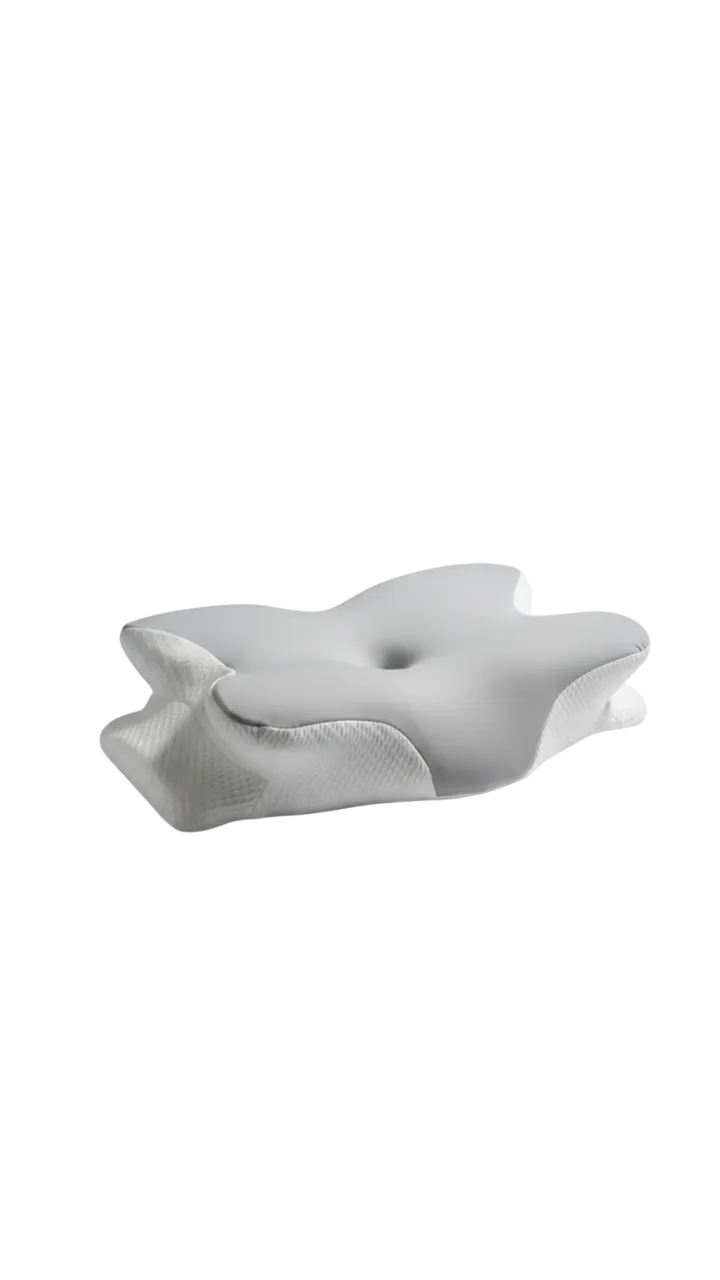
The Lunari Butterfly Pillow naturally supports proper cervical alignment, unlocking deeper, uninterrupted sleep cycles.