What is the Best Magnesium for Sleep? Glycinate vs. Citrate vs. Threonate
Establish absolute authority in the supplement space. Differentiate why Citrate causes digestive disaster, why Threonate crosses the blood-brain barrier, and why Bisglycinate is the gold standard.
Executive Summary
Establish absolute authority in the supplement space. Differentiate why Citrate causes digestive disaster, why Threonate crosses the blood-brain barrier, and why Bisglycinate is the gold standard.
If you search the internet for natural sleep aids, you will inevitably be inundated by thousands of influencers and articles screaming a single word: Magnesium.
Magnesium has been heralded as the ultimate, side-effect-free sleep panacea. And from a strictly biological standpoint, it is incredibly powerful. Magnesium is the fourth most abundant mineral in the human body, responsible for executing over 300 unique enzymatic reactions—the most critical being the physical, chemical relaxation of the central nervous system.
The problem is that “Magnesium” is not a single entity. If an exhausted adult goes to the pharmacy, blind-buys a cheap bottle of magnesium, and takes 400mg before bed, they may end up spending the entire night violently sprinting to the bathroom instead of sleeping.
You must understand the pharmacology. The chemical compound bound to the magnesium molecule dictates exactly what the mineral will do inside your body.
1. Magnesium Citrate: The Digestive Trap
The most common, cheapest form of magnesium found on grocery store shelves is Magnesium Citrate.
Magnesium Citrate is created by binding elemental magnesium to citric acid. While it is highly bioavailable (your body absorbs it easily), its primary function is not neurological relaxation. It is an osmotic laxative.
When Magnesium Citrate hits your intestines, it aggressively pulls massive amounts of water from your surrounding tissues directly into your colon. This massive influx of water forces the bowels to rapidly empty.
If you take 400mg of Magnesium Citrate 30 minutes before bed with the intention of falling asleep, you have made a catastrophic pharmacological error. You will be violently awake, dealing with severe gastrointestinal distress. It is a brilliant mineral for solving constipation; it is a terrible molecule for solving insomnia.
2. Magnesium Threonate: The Brain Hacker
Magnesium L-Threonate is a highly specialized, cutting-edge compound synthesized by scientists at MIT.
This form of magnesium was engineered to solve a specific biological problem: the blood-brain barrier. Most forms of magnesium struggle to physically enter the brain. Threonate, however, flawlessly penetrates the barrier.
Because it enters the brain directly, Magnesium Threonate is highly effective at increasing cognitive plasticity, clearing brain fog, and reducing severe central-nervous anxiety.
It is frequently included in “Executive Sleep Cocktails” (like the famous Huberman Protocol) because it physically quiets the racing, spiraling thoughts in the prefrontal cortex right before bed. However, because it targets the brain, it does not provide the massive, heavy-body muscular relaxation that many insomniacs require.
3. Magnesium Bisglycinate: The Gold Standard
If you are seeking profound, full-body sedation, the absolute undisputed king of sleep minerals is Magnesium Bisglycinate (often just called Magnesium Glycinate).
In this compound, elemental magnesium is bound to Glycine (an amino acid).
This is a pharmacological masterstroke. Glycine itself is a powerful inhibitory neurotransmitter. It physically binds to GABA receptors in the brain, manually forcing the nervous system to shift out of “fight-or-flight” sympathetic mode and into a deep, parasympathetic resting state.
Simultaneously, the magnesium molecule acts as a calcium channel blocker inside your muscle tissue. When calcium enters a muscle, the muscle contracts. When magnesium blocks the calcium, the muscle physically cannot fire. It becomes heavily paralyzed, warm, and deeply relaxed.
When you take 300mg to 400mg of Magnesium Bisglycinate one hour before bed, you are delivering a two-front biological assault: The magnesium chemically paralyzes the physical tension in the muscles, while the glycine radically sedates the nervous anxiety in the brain.
Furthermore, the glycine bond ensures the magnesium is absorbed perfectly in the small intestine, meaning it has a 0% chance of causing the laxative disaster associated with Citrate.
If you want to biologically guarantee the onset of Stage 3 Deep Sleep, ignore the cheap grocery store bottles. Engineer the chemistry. Purchase highly bioavailable Magnesium Bisglycinate.
Deepen Your Rest Architecture.
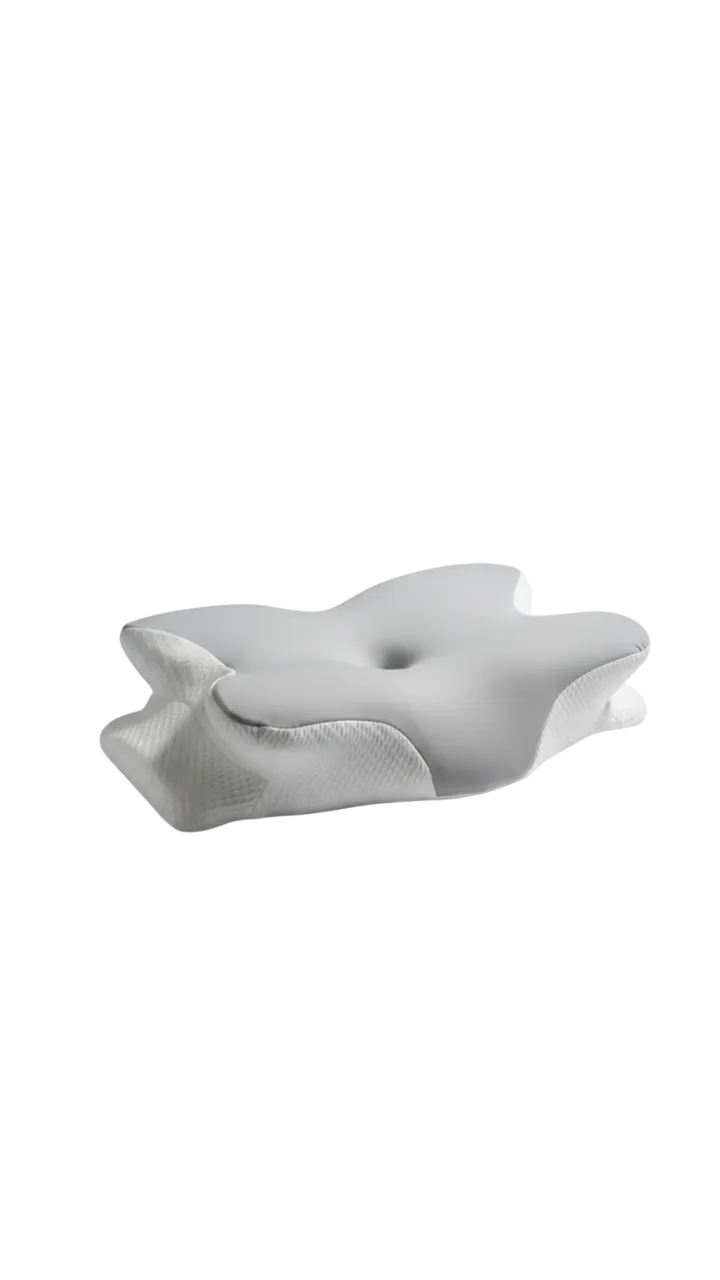
The Lunari Butterfly Pillow naturally supports proper cervical alignment, unlocking deeper, uninterrupted sleep cycles.