Psychophysiological Insomnia: The Sleep Anxiety Loop
Discover the severe neurobiology of Psychophysiological Insomnia. Learn exactly how the fear of not sleeping physically rewires the brain to actively reject the deep sleep cycle.
Executive Summary
Discover the severe neurobiology of Psychophysiological Insomnia. Learn exactly how the fear of not sleeping physically rewires the brain to actively reject the deep sleep cycle.
Protocol Index
For the vast majority of patients suffering from chronic insomnia, the root medical cause is not physical pain, a collapsed airway, or a destroyed circadian rhythm. The cause is profoundly and entirely neurological, manifesting as a catastrophic biological feedback loop known clinically as Psychophysiological Insomnia.
In raw neurobiological terms, Psychophysiological Insomnia is the brain accidentally learning to view the physical bed itself as a highly dangerous, stressful environment. The patient’s central nervous system essentially becomes deeply allergic to the concept of trying to sleep.
The Hyperarousal State
In a healthy human, approaching the bed at 10:00 PM instinctively triggers the parasympathetic nervous system (“Rest and Digest”). Heart rate drops, core temperature lowers, and the brain effortlessly transitions into Stage 1 light sleep.
For a patient trapped in Psychophysiological Insomnia, exactly the opposite occurs. Due to weeks or months of experiencing highly frustrating, sleepless nights, the brain forms a powerful subconscious association: Bed equals stress, failure, and anxiety.
When 10:00 PM approaches, rather than relaxing, the patient’s brain violently shifts into a state of “Hyperarousal.” The amygdala (the brain’s fear center) fires, dumping cortisol into the bloodstream. The heart rate accelerates, physical muscle tension sharply increases, and the prefrontal cortex shifts into overdrive, calculating how exhausted the patient will be tomorrow.
The Conditioned Response
Because the central nervous system is literally flooded with “fight or flight” stress hormones, it firmly physically prevents the brain from entering sleep paralysis.
The harder the patient actively “tries” to fall asleep, the more stress the brain registers, dumping even more adrenaline into the system. This creates an impenetrable psychological feedback loop. Tragically, patients with this disorder often report being overwhelmingly exhausted on the couch at 9:30 PM, but the absolute second their head hits the pillow in the bedroom, their brain artificially jolts itself completely awake, structurally trapping them in a cycle of severe sleep deprivation until the psychological association is broken through intensive Cognitive Behavioral Therapy for Insomnia (CBT-I).
Deepen Your Rest Architecture.
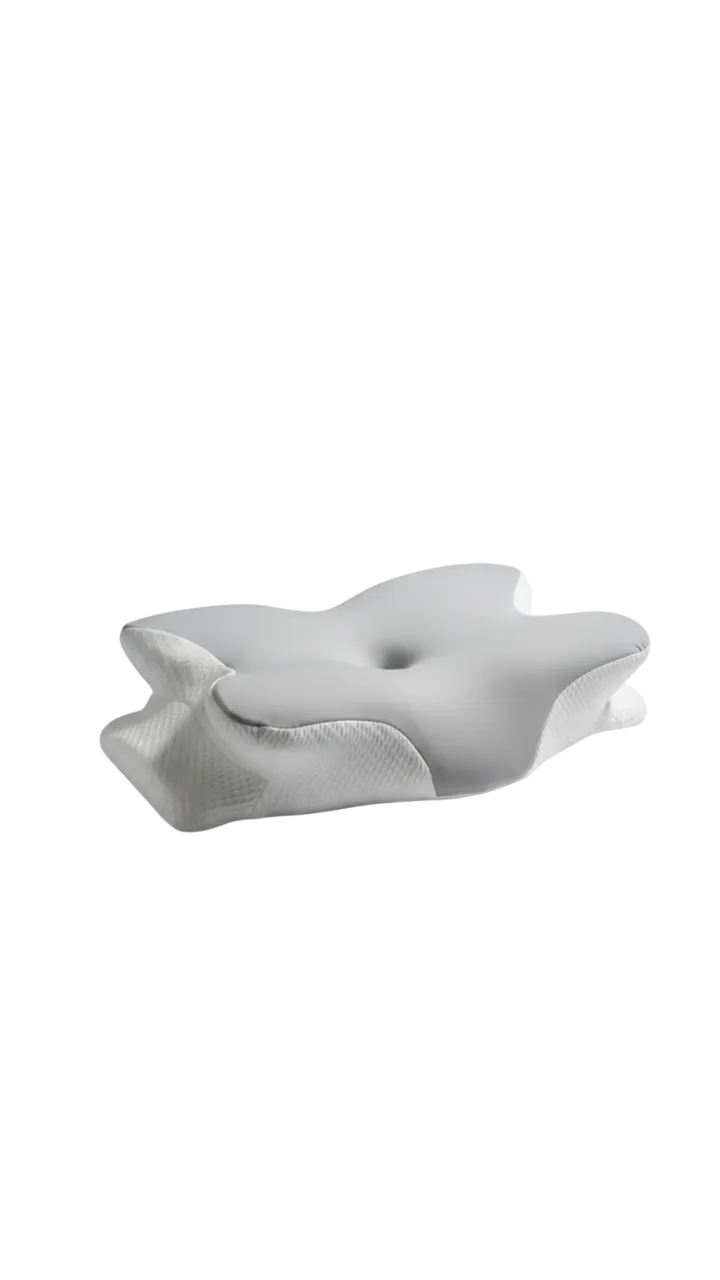
The Lunari Butterfly Pillow naturally supports proper cervical alignment, unlocking deeper, uninterrupted sleep cycles.